WHY ISTANBUL? This historical richness is not limited to architectural assets. Istanbul’s cultural atlas includes many living elements, ranging from traditional crafts to folk narratives, and from musical and dance traditions to local festivals. This diverse cultural fabric continues to shape everyday life across the city, with each district carrying its own rhythms, tastes, and forms of gathering. The historical and socio-cultural depth that sets Istanbul apart makes the city more than a touristic destination. Its spatial structure has been reshaped over time by different periods and social groups, and each era has left its mark on the urban fabric. Traces of this transformation can still be observed on the ground today. One of the most important cartographers nurtured in these lands, Piri Reis, is among the foremost figures shaped by Istanbul’s historical legacy. Maps associated with Istanbul and bearing his name remain relevant today, as they reflect the period’s spatial perception of the city, its relationship with the sea, and its urban boundaries. These maps are not only technical documents, but also visual narratives of Istanbul’s historical, social, and spatial memory. Holding our Conference in Istanbul is therefore directly linked not only to the city’s historical and cultural richness, but also to the fact that it is one of the few cities where the technical, legal, and social dimensions of space can be observed simultaneously. Participants will have the opportunity to interpret the issues discussed in technical sessions within Istanbul’s dynamic urban context and through on-site observation.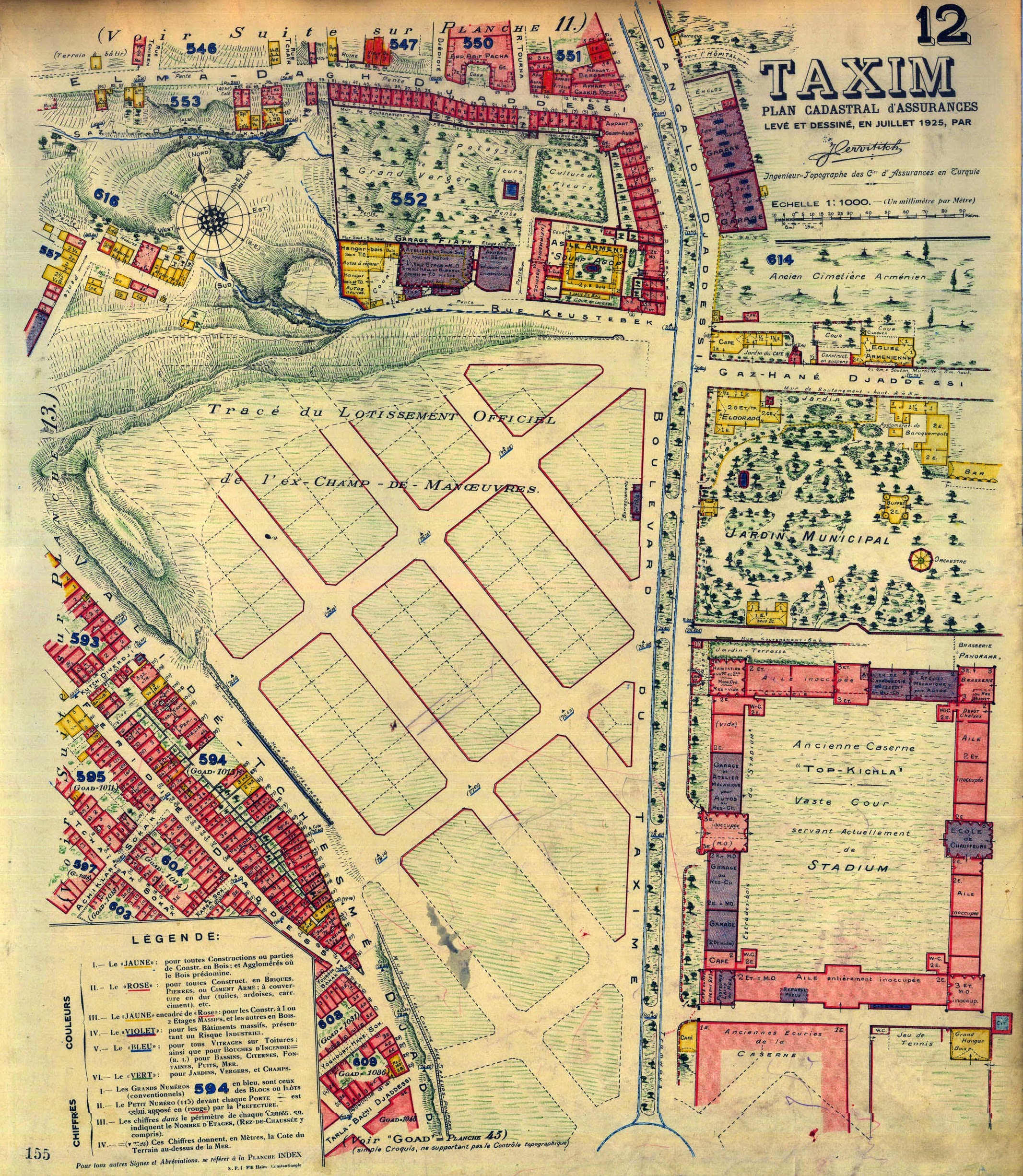 Istanbul is a truly distinctive city on a global scale, not only because of its unique geographic position connecting two continents, but also due to its rich cultural heritage shaped by different civilizations throughout history, its vibrant urban fabric, and its distinctive culinary culture.
According to data from the Ministry of Culture and Tourism of the Republic of Türkiye, Istanbul has the country’s most extensive cultural heritage accumulation, with more than 32,854 registered immovable cultural properties and 114 protected areas. City walls, mosques, palaces, hans, museums, and historic bazaars reflect the layered historical character of the city.
The cartographers, surveying and mapping professions are also directly connected to Istanbul’s social and spatial transformations. In a city with a history spanning millennia, fires, administrative changes, wars, and migration have influenced not only the physical form of the city but also its maps, and these dynamics have contributed significantly to the evolution of mapping practice.
In this sense, Istanbul offers a living laboratory for surveyors, geomatics engineers and land administration professionals to observe on-site how property relations, land-use decisions, and urban planning approaches have evolved over time. The city is one of the rare examples where it is possible to read both how the profession has shaped the city and how the city has shaped the profession.
Istanbul is a multidimensional field of study where spatial presence and social memory, and technical systems and cultural values, can be considered within the same framework. With these qualities, the city stands out as an ideal setting for the Conference programme, offering both conceptual and practice-oriented learning opportunities.

Koyu Mod: